
The Believers
A journalistic investigation into the men and women who bet on cryptocurrency before it was obvious — built fortunes while the world was skeptical — and are now the most important voices to understand. Ten profiles. Ten lessons. One complete picture.
In April 2024, the question was already interesting: which cryptocurrencies catch Elon Musk’s attention? Two years later, the question has grown considerably larger. Around Musk — and in some cases far ahead of him in terms of conviction and capital committed — stands a group of investors, entrepreneurs, builders, and thinkers who saw the future of digital money before it was fashionable to do so. This is their story. Not the hype version. The documented, sourced, and honestly assessed version.
Ten profiles. Five who invested in the ecosystem from the outside. Five who built it from the inside. Between them, they hold or have held hundreds of billions of dollars in digital assets, have shaped the regulatory frameworks that govern the industry, and have produced the intellectual work that the next generation of investors is learning from. Understanding them means understanding how the entire digital financial system was built — and where it is going.

Satoshi Nakamoto — The Phantom Founder
Every investigation into the believers must begin where everything began: with a name that is not a name. On October 31, 2008, the Bitcoin whitepaper was published to a cryptography mailing list. On January 3, 2009, the genesis block was mined with a message embedded in its code: “The Times 03/Jan/2009 Chancellor on brink of second bailout for banks.” It was not a timestamp. It was a manifesto.
Satoshi communicated by email and forum posts until April 2011, then handed control to developer Gavin Andresen and went silent permanently. The true identity remains one of the most consequential unsolved mysteries in the history of technology. What makes the story financially extraordinary is not just the wealth — it is the discipline. Between 1,000,000 and 1,100,000 BTC sit in wallets associated with Satoshi’s early mining. At $82,320 per coin: between $82 billion and $90 billion. Not a single coin has ever moved.
“I’ve moved on to other things. Bitcoin is in good hands with Gavin and everyone.”Satoshi Nakamoto — final known public message, April 23, 2011
The disappearance may have been the final design decision. A Bitcoin with a known, living, active founder would be a different Bitcoin — one with a central point of failure, a regulatory target, a personality cult. The anonymity is a feature. The unmoved coins are a signal. The silence is, perhaps, the most important statement anyone in crypto has ever made.

Elon Musk — The Sentiment Amplifier
Musk has confirmed ownership of exactly three digital assets: Bitcoin, Ethereum, and Dogecoin. He has repeatedly warned against hundreds of meme tokens created in his name, calling them unaffiliated and fraudulent. In 2021, Tesla purchased $1.43 billion in Bitcoin — then reversed course 49 days later citing environmental concerns. By 2025, the America Party he announced would take a formal pro-Bitcoin stance, stating “fiat is hopeless.”
Tesla: 11,509 BTC acquired at $386M average (~$33,500). Current value ~$946M. SpaceX: 8,285 BTC, $850M+ in reserves. In July 2025, SpaceX moved $150M in BTC for wallet consolidation. Combined corporate exposure: ~$1.6 billion at current prices. By March 2026, Strategy’s success prompted Strategy to shift from “never sell” to active balance sheet management.
The important caveat: Musk’s influence on Bitcoin has faded as institutional flows became dominant. His posts still move Dogecoin. They no longer move Bitcoin the way they once did. The market has matured around him. He remains crypto’s most famous sympathizer — but is no longer its most consequential one.

Michael Saylor — The True Believer
In July 2020, on a quarterly earnings call, Saylor told analysts that holding $500 million in cash was “equivalent to standing on a melting ice cube.” Six weeks later, MicroStrategy purchased 21,454 Bitcoin for $250 million. It was the first institutional Bitcoin treasury purchase of meaningful scale — a template more than 220 companies have since replicated.
Saylor’s conviction was shaped by catastrophic personal experience. In March 2000, he lost $6 billion of paper wealth in a single trading session when MicroStrategy disclosed accounting restatements. He has said in interviews that watching $6 billion evaporate in hours taught him that most financial assets are claims on someone else’s promises — and promises can be broken overnight. He searched for an asset requiring no counterparty for twenty years before finding it in Bitcoin.
818,334 BTC acquired for ~$61.81B at ~$75,537 per bitcoin. BTC Yield YTD 2026: 9.6%. Strategy controls ~4% of Bitcoin’s entire circulating supply. On May 5, 2026, CNBC reported Strategy is shifting from “never sell” to active balance sheet management — selling portions to fund new acquisitions and cover debt costs. Saylor’s personal 17,732 BTC were purchased at an average cost of $9,882 per coin (~$175M total cost, now worth ~$1.45B).

Cameron & Tyler Winklevoss — The Patient Billionaires
The Winklevoss twins’ $65 million Facebook settlement gave them capital. What they did with it defined them. In 2013, they converted approximately $11 million into Bitcoin at roughly $10 per coin — acquiring an estimated 70,000+ BTC. They held through the 2014 crash (80% loss). They held through 2017 and 2018. They became the first Bitcoin billionaires when the price crossed $14,000, before most institutional investors had decided to take the asset class seriously.
In October 2025, the White House named the twins as donors to the White House State Ballroom construction — a signal of how far the crypto industry had traveled from the financial margins to its political center. Their lesson is patience: conviction held through years of skepticism and market collapses became one of the most successful investment outcomes of the decade.
Cathie Wood — The Institutional Pioneer
Wood translated the Bitcoin thesis into the language of traditional asset management, bringing it to pension funds, endowments, and mainstream ETF investors. ARK was among the earliest institutional applicants for a Bitcoin ETF, filing years before approval in January 2024. ARK’s Big Ideas 2026 projects Bitcoin’s market cap reaching $16 trillion by 2030 — implying a price above $730,000 per coin.
Raoul Pal — The Macro Convert
Pal walked away from Goldman Sachs, retired at 36, then converted almost all of his personal liquid wealth to Bitcoin and Ethereum in 2019. He does not argue for crypto on technical grounds — he argues for it as the logical conclusion of a macro environment where governments globally are debasing currencies, interest rates are managed below inflation, and traditional stores of value cannot fulfill historical roles. Through Real Vision, he has introduced a generation of professional investors to the digital asset thesis.

Vitalik Buterin — The Builder Who Stayed
Buterin was 19 when he wrote the Ethereum whitepaper, having concluded that Bitcoin’s scripting language was too limited for the programmable financial applications he imagined. His solution: build a new platform from scratch. Ethereum launched in 2015. By 2026, every major DeFi protocol, every NFT marketplace, every tokenized real-world asset project runs on Ethereum or a Layer 2 built on top of it.
In 2021, developers of the Shiba Inu meme token sent Buterin 50% of total SHIB supply — approximately $7 billion at peak value — without his consent. He donated ~$1.14 billion to an Indian COVID relief fund and burned the remainder. He lives modestly, publishes detailed technical research publicly, and remains actively involved in Ethereum’s development in 2026.
“The blockchain space needs to be less focused on financial speculation and more on real applications that actually improve people’s lives.”Vitalik Buterin, 2023 — on Ethereum’s priorities post-Merge
Changpeng Zhao (CZ) — Mass Adoption at Any Cost
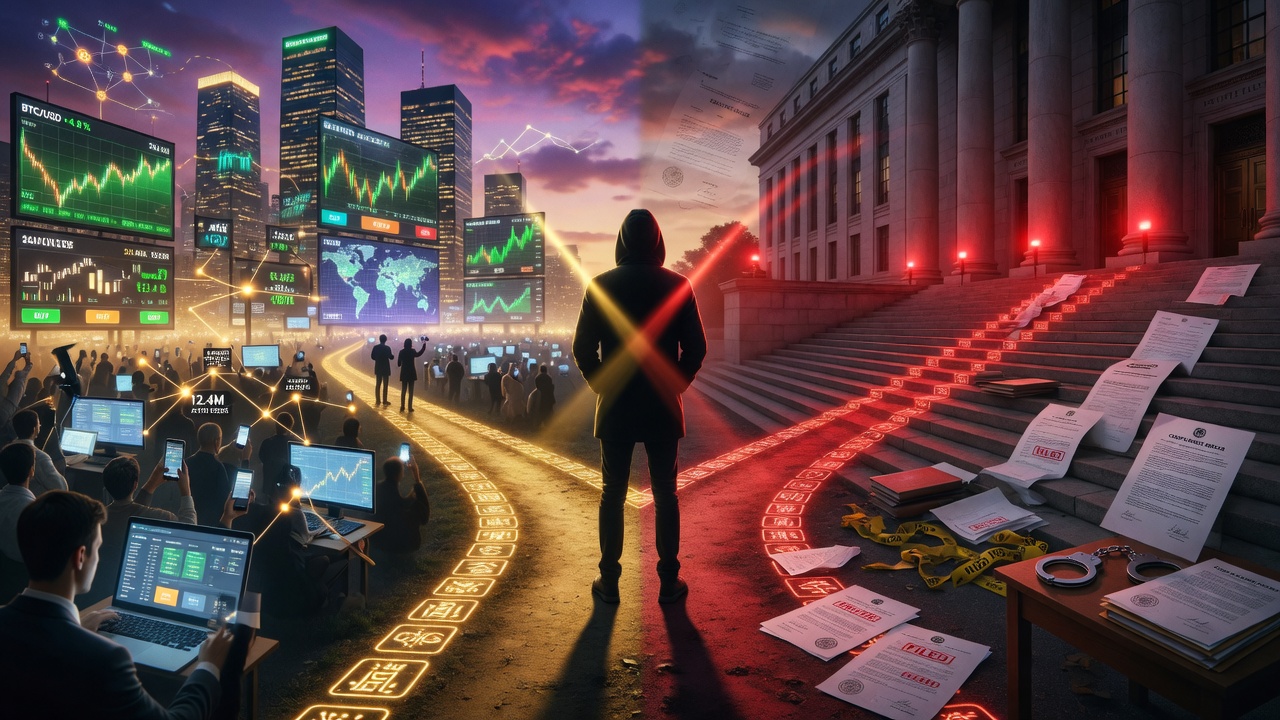
In 2013, CZ sold his apartment to buy Bitcoin at ~$600 per coin. In 2017, he founded Binance with a $15 million ICO and built it, within 18 months, into the world’s largest cryptocurrency exchange by trading volume — 150 million users, $100 billion in daily transactions at peak. His story is the most complicated in this investigation, containing both one of the most remarkable success stories in financial history and one of its most consequential regulatory collapses.
November 2023: Binance pleaded guilty to Bank Secrecy Act violations, paying $4.3 billion in fines — one of the largest corporate settlements in U.S. history. CZ resigned as CEO, pleaded guilty personally, served four months in federal prison, and was released November 2024. He has since returned as an advisor, stating that working with regulators rather than around them is not optional. His own experience enforced that conclusion.
Brian Armstrong — Building the On-Ramp
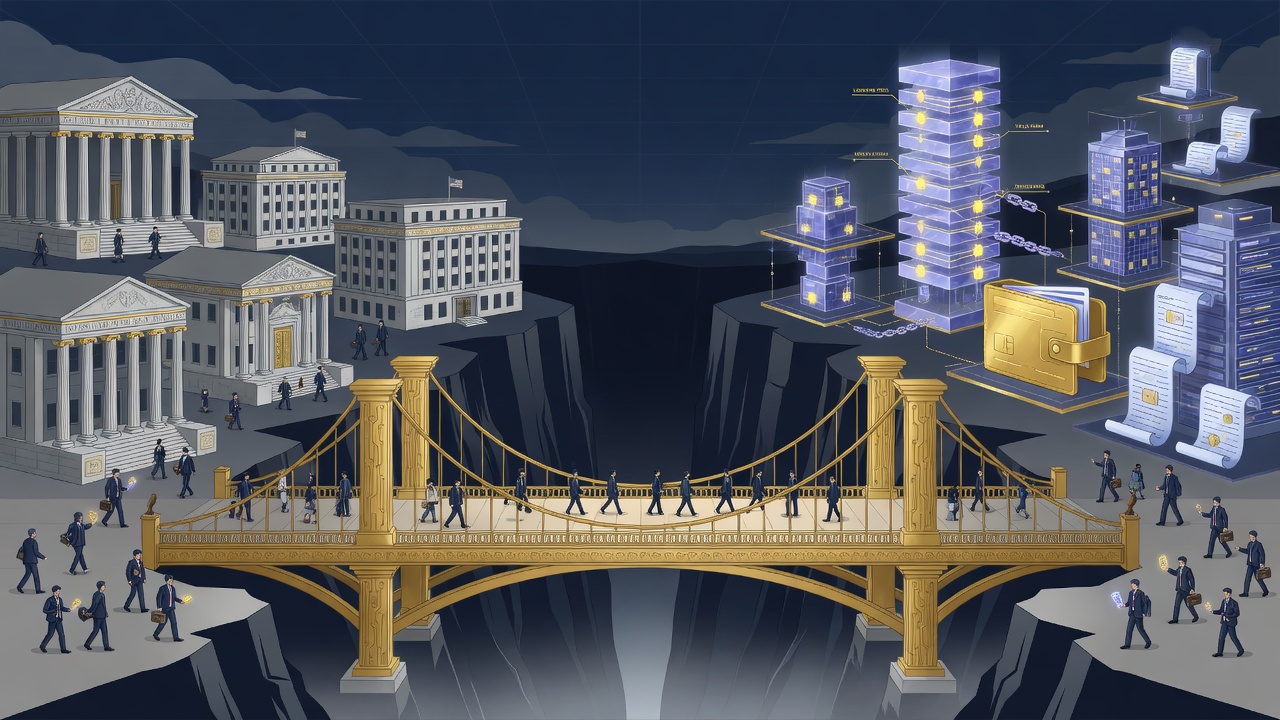
Armstrong built the door through which most Americans actually entered crypto. His bet was specific: he did not primarily invest in cryptocurrency — he invested in the compliant, regulated infrastructure layer that would allow ordinary people and institutions to enter safely. The bet was that mass adoption required trust, trust required regulation, and regulation required someone willing to work with the SEC rather than around it.
That bet was tested severely. The SEC sued Coinbase in June 2023. Armstrong fought publicly and aggressively. The 2024 U.S. election shifted everything: the regulatory environment changed, the SEC dropped its lawsuit, and Coinbase became a key institutional custodian for approved Bitcoin ETFs including BlackRock’s iShares Bitcoin Trust. Armstrong has called 2025–2026 “the beginning of the real adoption curve.”

Marc Andreessen & a16z — The VC Thesis
No single firm has deployed more capital into the Web3 ecosystem than Andreessen Horowitz. Four crypto-focused funds totaling $7.6 billion. Portfolio: Coinbase (early), Solana ecosystem, Uniswap, Alchemy, OpenSea, and dozens more. The a16z Web3 thesis — articulated in co-investor Chris Dixon’s book Read Write Own — frames the next internet as “read-write-own”: users hold ownership stakes in the platforms they use, rather than being extracted from as products.
When a firm with a16z’s track record commits $7.6 billion to crypto, it tells every institutional LP, every university endowment, and every pension fund that digital assets are a legitimate asset class. That legitimization function is as important as the capital itself.
Where to Learn in 2026: The Best Teachers
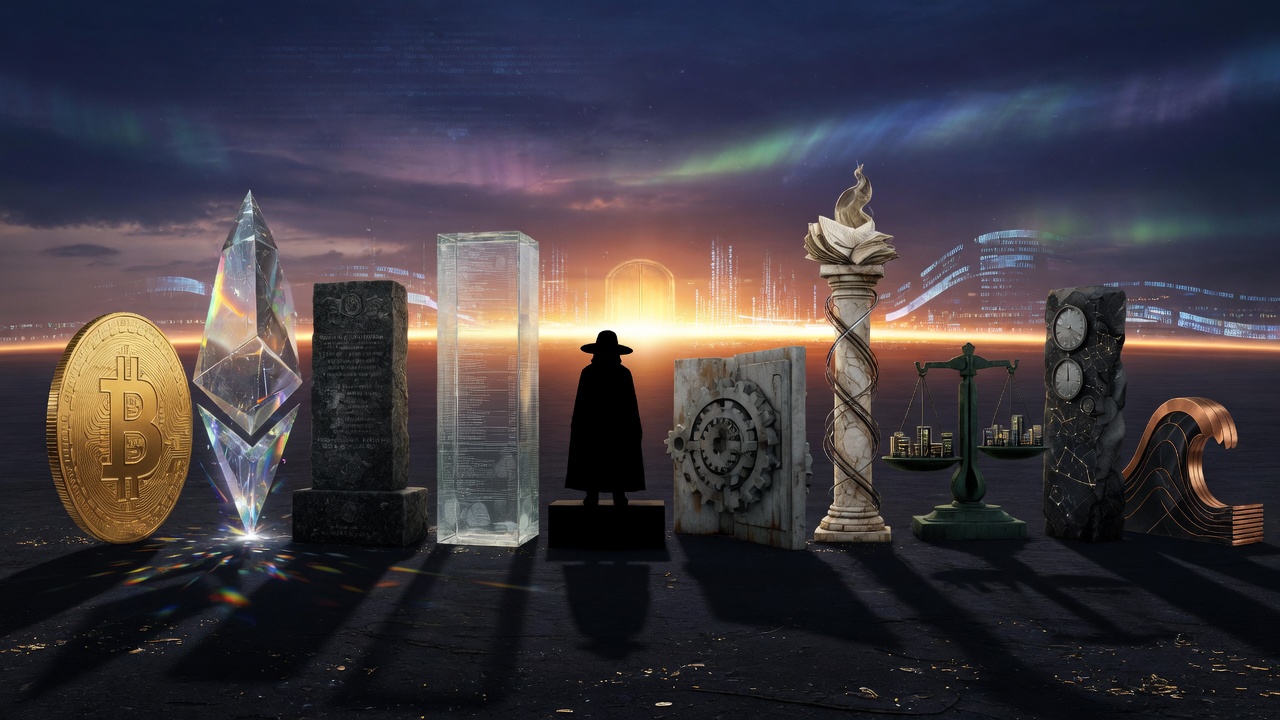
Every person profiled in this investigation has a documented learning path. None of them made their conviction decision based on a tweet or a price chart. All of them read primary sources. All of them stress-tested the thesis against the strongest counterarguments before committing capital.
The three books that appear in nearly every learning story: The Bitcoin Whitepaper (2008, free at bitcoin.org/bitcoin.pdf) — eight pages that created a trillion-dollar asset class. The Bitcoin Standard (2018, Saifedean Ammous) — the economic case for Bitcoin as hard money, cited by Saylor, Pal, and Winklevoss. Mastering Bitcoin (Andreas Antonopoulos, free on GitHub) — the technical foundation.
In 2021, Saylor launched saylor.org — a free university-level curriculum covering Bitcoin from first principles. Over 70 hours of structured content: monetary theory, blockchain technology, investment strategy, macro economics. Used by corporate treasury teams and by individuals with no financial background. The best free resource in the space. Cost: $0.
Education First. Conviction Second. Investment Third. Never the Reverse.
The most striking pattern across all ten profiles is timing. They all believed before it was obvious. The pattern is not that they were lucky. The pattern is that they each did the intellectual work required to form conviction — and then held that conviction through the periods when the market, the media, and their peers told them they were wrong.
The teachers are there. The books exist. The podcasts are free. Michael Saylor built an entire university curriculum at saylor.org and made it free. Vitalik Buterin publishes his most important thinking publicly. Andreas Antonopoulos put his books on GitHub. Raoul Pal built Real Vision. The resources have never been more accessible.
The question is whether you will treat this as education or as entertainment. The people who got rich treated it as education.
— DAY Solis, May 2026
If this investigation was useful to you — support independent journalism
☕ Buy me a coffee