A WAR BORN FROM
Wounded Pride
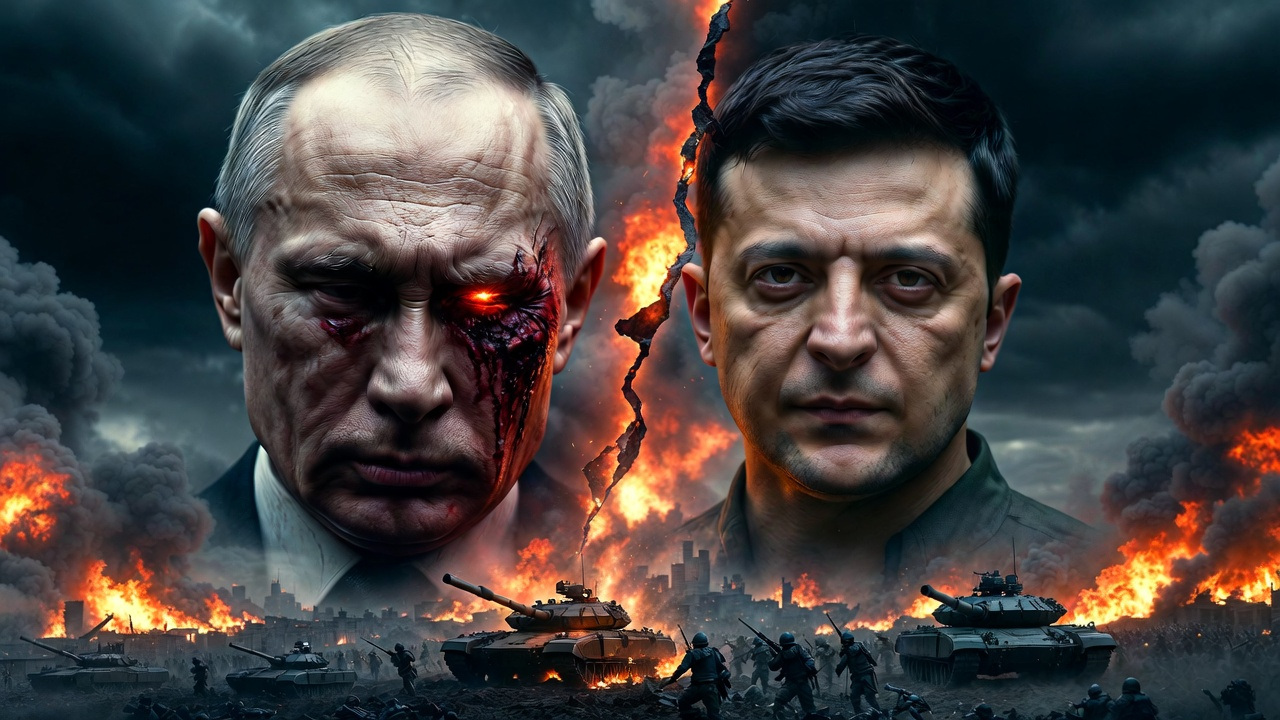
How Putin’s personal contempt for Zelensky became one of the hidden engines of the largest war in 21st-century Europe
When historians look back at Russia’s February 2022 invasion of Ukraine, they will face a paradox. Vladimir Putin — the leader of a nuclear superpower with a million-man army and one of the world’s most sophisticated intelligence services — made a decision that brought his country to the edge of catastrophe. Strategically, it made no sense. Economically, it was suicide. Militarily, it became a disaster. So what drove this decision?
The Kremlin’s official answer is familiar: NATO expansion, “de-Nazification,” protecting Russian speakers. But there is a dimension that rarely gets serious attention — the psychological one. Beneath the geopolitics lies something rawer: wounded ego. Accumulated contempt. The personal grievance of a man whose entire identity is built on a hierarchy of power — and who could not accept that a comedian, a Jewish actor from a provincial Ukrainian city, had become his equal.
This investigation does not dismiss the structural causes of the war. It adds the dimension without which the picture is incomplete: how one man’s psychology — his pride, his rage, his blind spots — may have cost hundreds of thousands of lives.
HISTORY HAS SEEN THIS BEFORE
Wars Born From Personal Grievance
Before we examine Putin and Zelensky, it is worth understanding that personal psychology reshaping the course of history is not an exception. It is a recurring pattern.
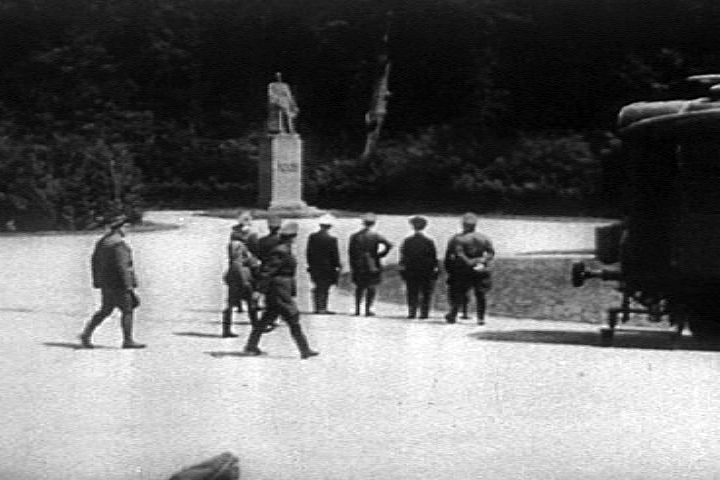
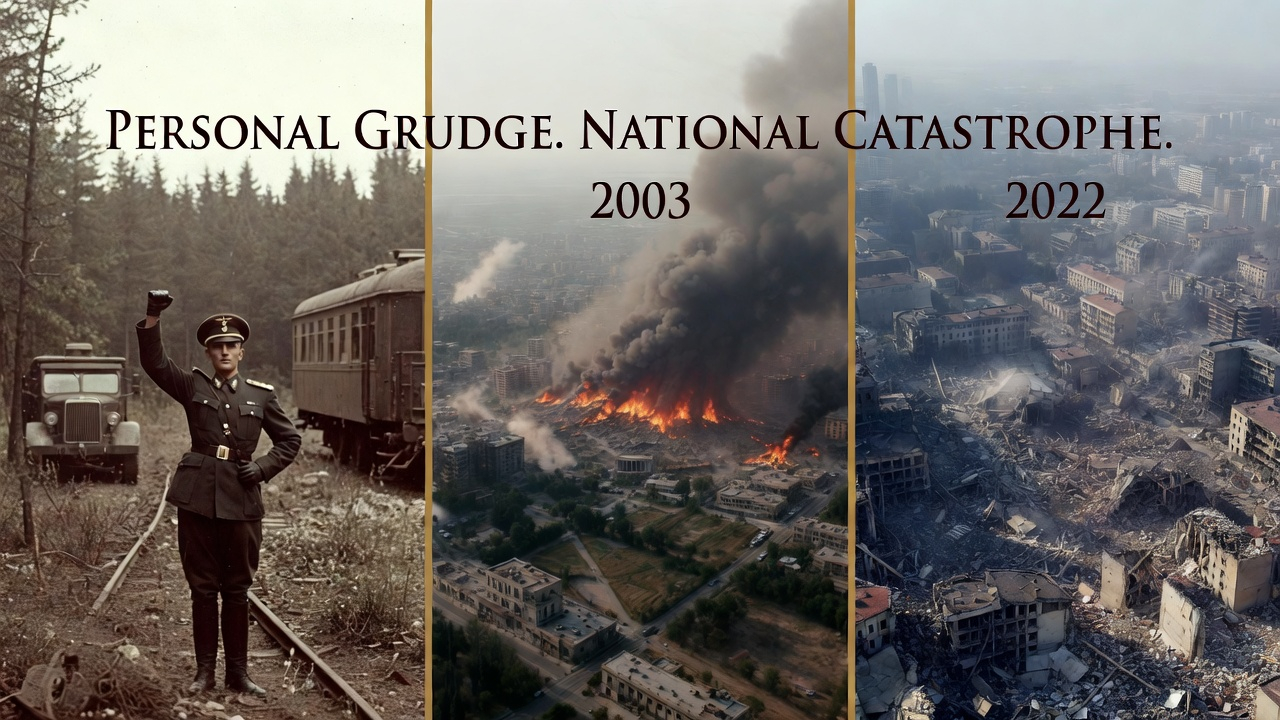
Historians have debated for decades whether World War II was structurally inevitable — or whether its catalyst was Hitler’s personal obsession with Germany’s 1918 humiliation. In Mein Kampf, he described it as a personal wound. When France surrendered in June 1940, Hitler ordered the signing ceremony held in the exact same railway carriage where Germany had capitulated in 1918 — deliberately, symbolically, as an act of personal score-settling. Millions died so that one man could feel vindicated.
After the Gulf War of 1991, Saddam publicly named George H.W. Bush his personal enemy. In 1993, Iraqi intelligence attempted to assassinate the former president during his visit to Kuwait. When George W. Bush launched the Iraq War in 2003, many analysts noted an informal motive running alongside the official rationale: a son’s score to settle for the attempt on his father’s life. Personal. Irrational. And yet it determined the fate of millions of Iraqis.
In 1904, Russia’s Interior Minister Plehve convinced the Tsar that Russia needed “a little victorious war” to distract from domestic unrest. Nicholas II, stung by the sense that Russia was not being taken seriously as a great power, went along. The Russo-Japanese War turned into catastrophe. The Tsar’s personal vanity triggered a chain of events that ultimately led to the collapse of the entire empire.
THE ANATOMY OF CONTEMPT
Who Zelensky Was in Putin’s World
To understand the depth of Putin’s hostility, you have to understand his coordinate system. For Putin, power is ritual. Hierarchy. Historical legitimacy. Force. It is something earned through the KGB, through institutional violence, through a lifetime of navigating the Soviet and post-Soviet security apparatus.
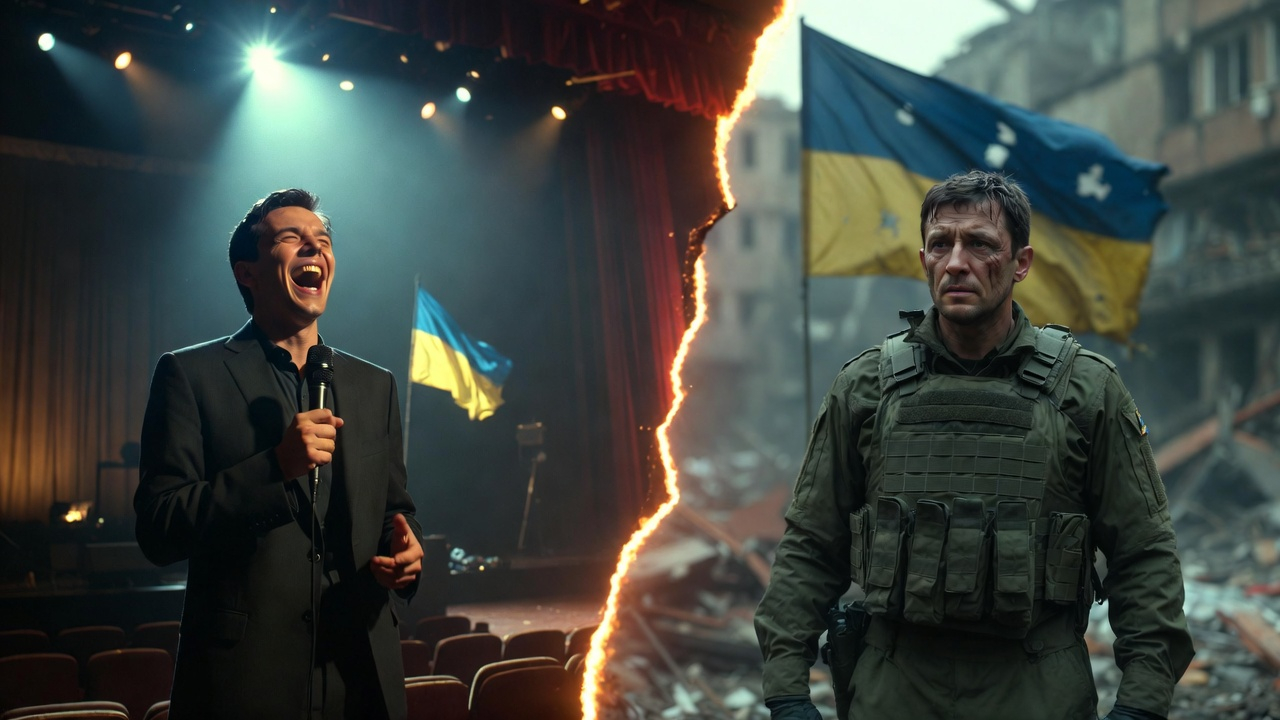
Volodymyr Zelensky violated every single one of those rules simultaneously. He was a comedian. He had never served in the military. He was Jewish — in a country whose president was pushing a “de-Nazification” narrative. He won the presidency with 73% of the vote — a genuine landslide that Putin, with his stage-managed 77%, had never actually known. And perhaps most galling of all: Zelensky won by playing himself — an ordinary person pretending to be president.
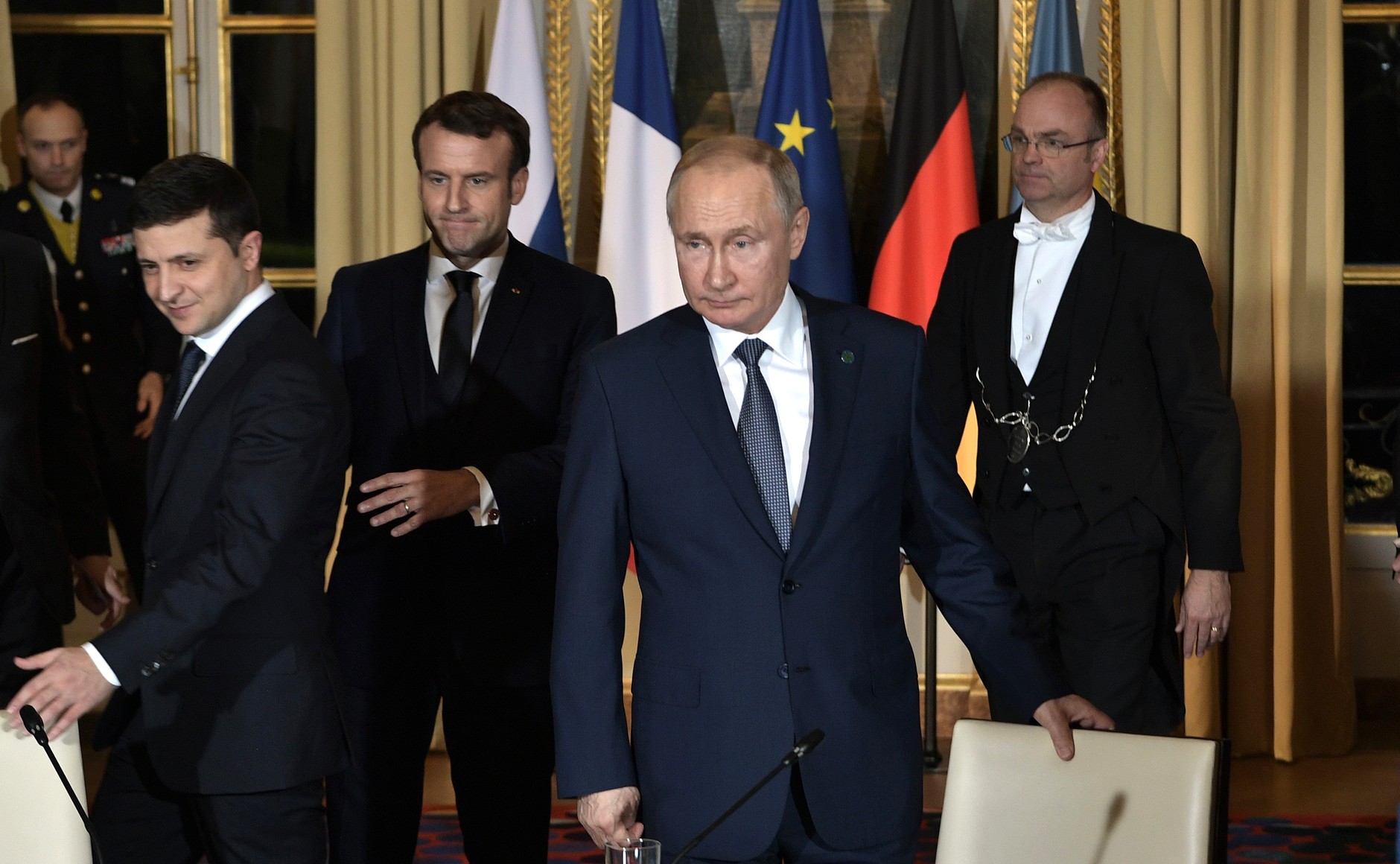
For a KGB officer raised on the Soviet cult of the security state, a man like Zelensky in power was not just a political opponent. He was a symbolic insult to the very idea of what power means. Zelensky was also, literally, the fictional president from a TV series — Servant of the People — in which he played a schoolteacher who accidentally becomes president and tries to fight corruption. For Putin, where power is an inheritance rite of the security elite, a “clown in the office” was not merely unpleasant. It was conceptually impossible.
for DAY subscribers.
seven reasons, Putin’s Trojan Horse, and five scenarios
— is one step away.
If this investigation was useful to you — support independent journalism
☕ Buy me a coffee