The Prediction That Held
Two years ago I argued that Donald Trump was the only leader positioned to resolve the war in Ukraine. Now — with a peace framework on the table, security guarantees agreed, and a critical minerals deal signed — it is time to assess that argument honestly against what actually happened.
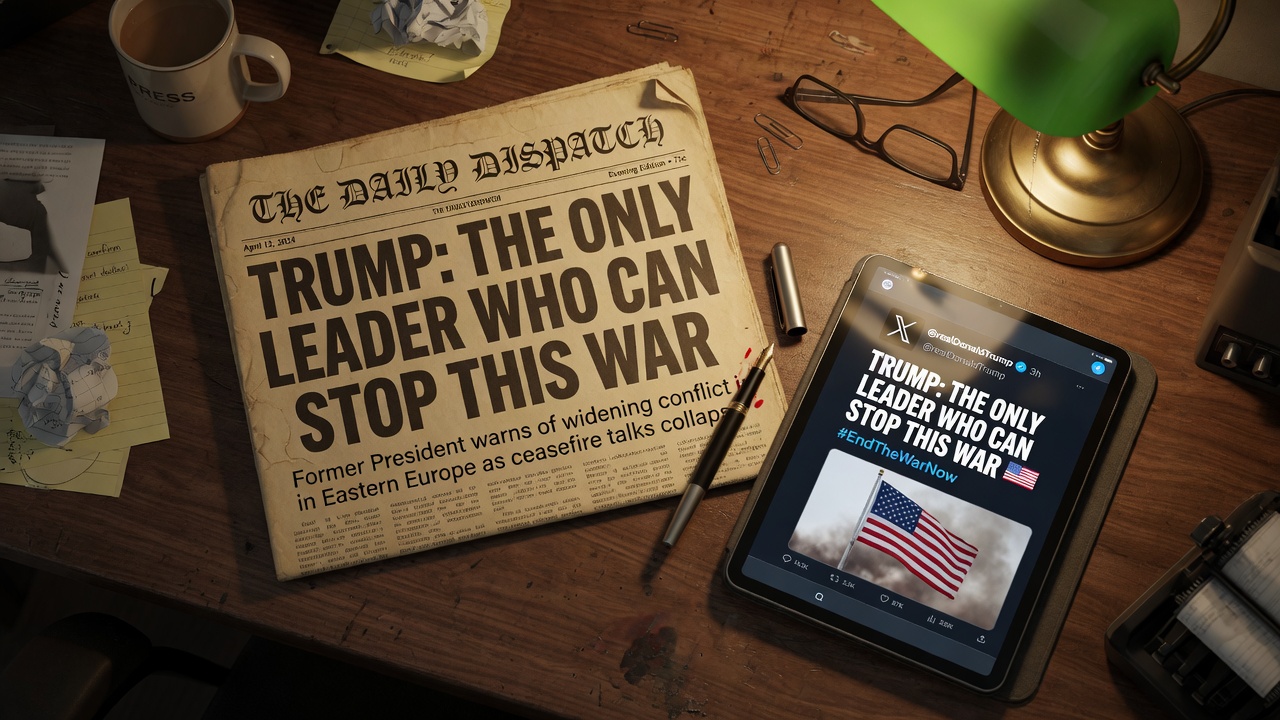
On April 12, 2024, I published a short post on X with a single argument: Donald Trump was the leader best positioned to resolve the war in Ukraine. At the time, he was a candidate — not yet president. Many dismissed that argument as partisan optimism. More than two years later, with active negotiations underway and a detailed peace framework on the table, it is worth returning to that original argument — not to declare victory, but to assess it honestly against what actually happened.
This is that reassessment.
A Note to the Reader
My original argument was straightforward. The world needed a leader with proven negotiation skills, courage, and strategic acumen to end a war that the Biden administration had failed to stop or resolve. I argued that Trump’s unconventional approach — direct engagement, pressure on all sides, priority of results over optics — was exactly what the situation required.
I wrote that Americans, Ukrainians, Russians, and people around the world could trust in his wisdom and skills to navigate toward a peaceful resolution. I believed it then. Here is what the record shows now.
What Actually Happened: The Timeline
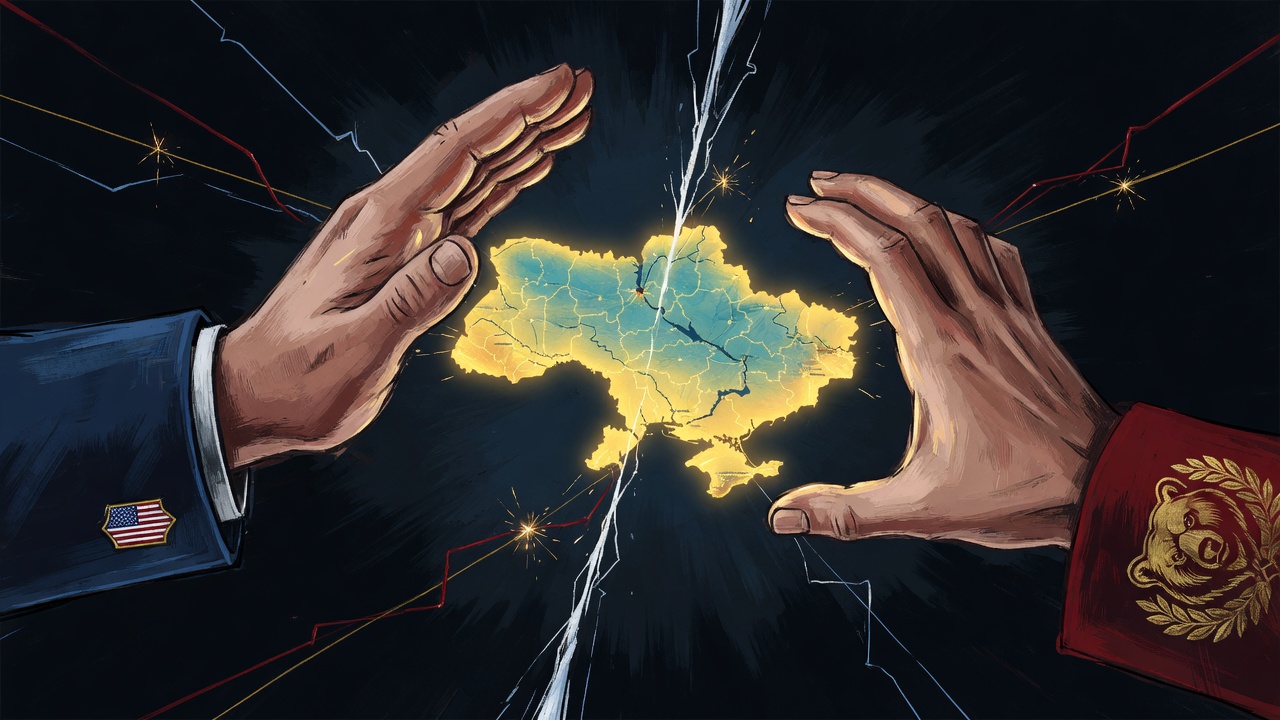
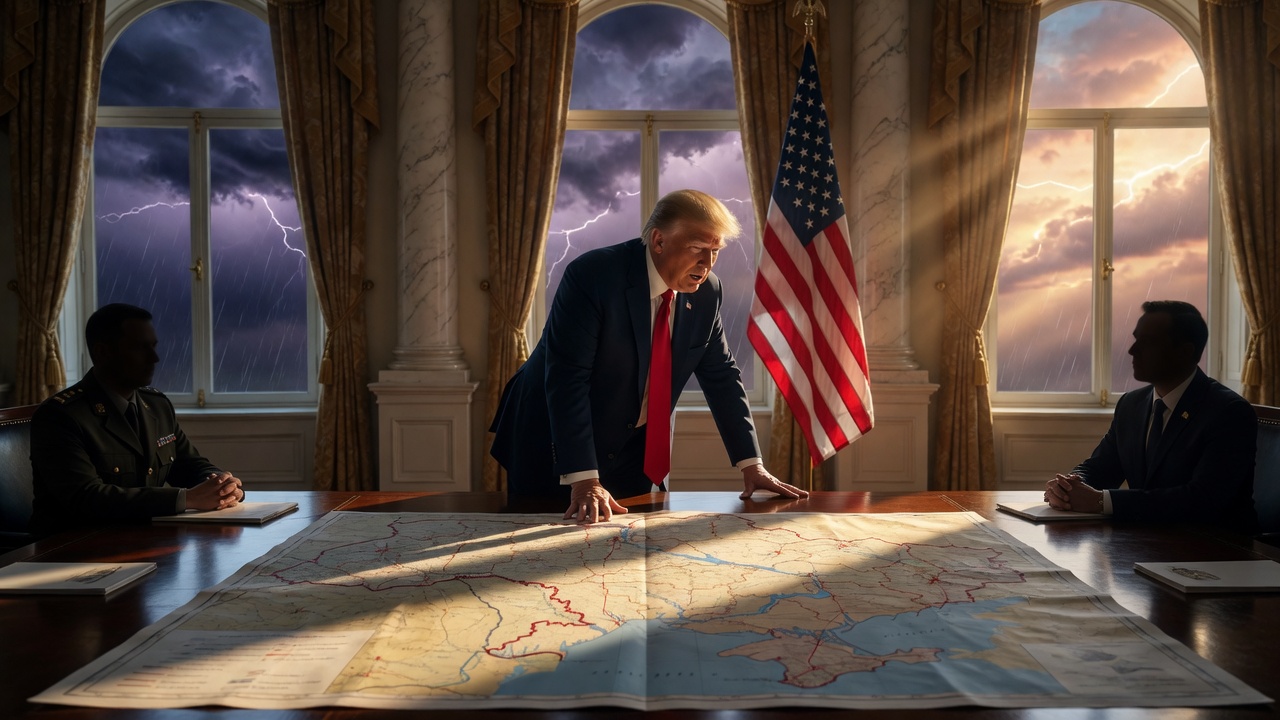
When Trump returned to the White House in January 2025, he made Ukraine his first major foreign policy priority. His special envoy Keith Kellogg set a 100-day target for a ceasefire framework. That deadline — April 29, 2025 — came and went without a deal. But what followed was more significant than the missed deadline.
The U.S. presented its peace proposal. Russia responded hours later with a massive missile and drone attack on Kyiv, killing 13 civilians. Trump’s response was immediate and public: “Not necessary, and very bad timing. Vladimir, STOP! 5000 soldiers a week are dying. Let’s get the Peace Deal DONE!” On May 8, Trump warned the U.S. would impose further sanctions on Russia if it did not agree to a 30-day unconditional ceasefire. This was not appeasement. This was a president publicly confronting the Kremlin with consequences attached.
Where My Prediction Was Right
1. Negotiating Style
I argued that Trump’s unconventional approach was what the situation required. The record confirms this. Trump’s envoys Steve Witkoff and Jared Kushner led negotiations in Berlin that Ukraine’s lead negotiator described as producing “real progress.” No previous American administration had gotten this far. Three years of conventional diplomacy produced zero framework agreements. Trump produced one in under eighteen months.
2. America First — In Practice
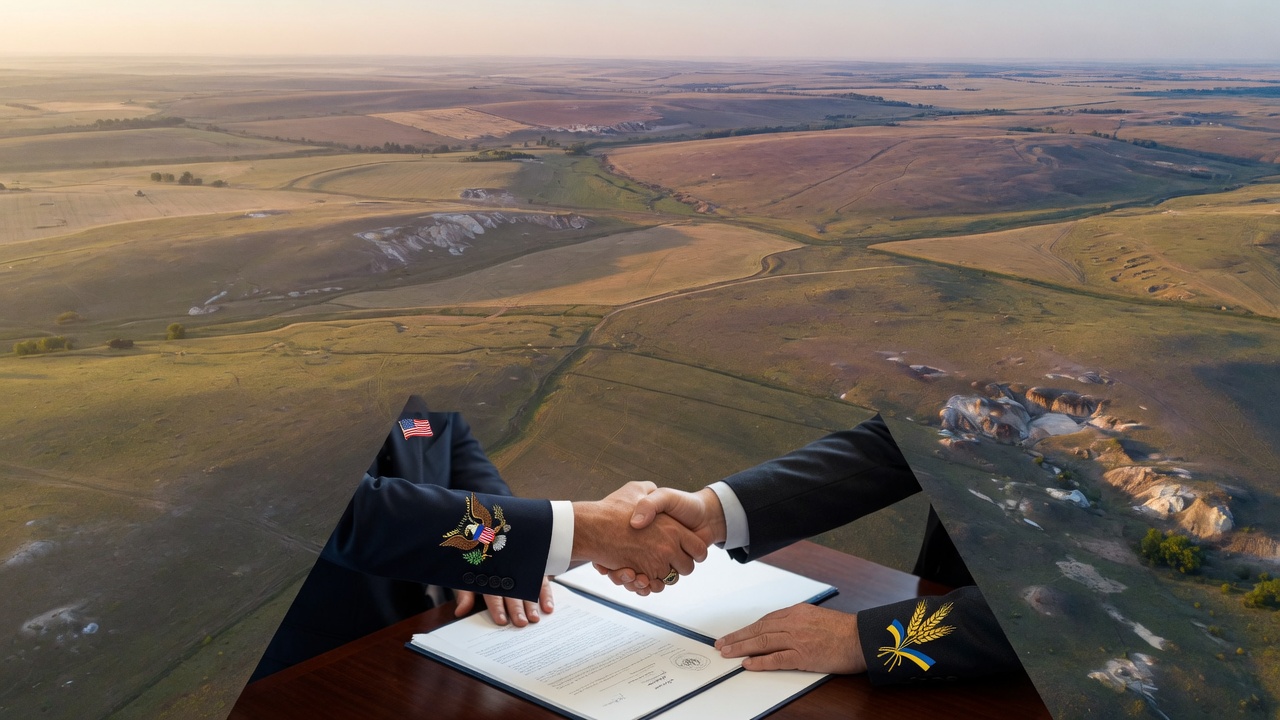
I argued that Trump, as a leader who always puts America first, would find a resolution that serves U.S. strategic interests above all. The critical minerals deal signed between the U.S. and Ukraine in April 2025 illustrates this with precision. America secured long-term access to Ukraine’s reserves of rare earth minerals and other critical raw materials — a generational strategic asset — in exchange for its continued engagement. That is not a slogan. That is leverage converted into long-term national interest.
reported as agreed — Dec 2025
reported as agreed — Dec 2025
with no defined endpoint or exit strategy
3. Gaza as Proof of Concept
By the close of 2025, Trump’s administration helped broker a ceasefire between Israel and Hamas that halted large-scale fighting and enabled the release of all remaining hostages. The same approach — unconventional, direct, results-oriented — produced an outcome that decades of conventional diplomacy failed to achieve. Ukraine is harder. The parties are further apart. But the Gaza precedent demonstrates that this method works when applied with sustained pressure and genuine leverage.
Where the Picture Is More Complicated
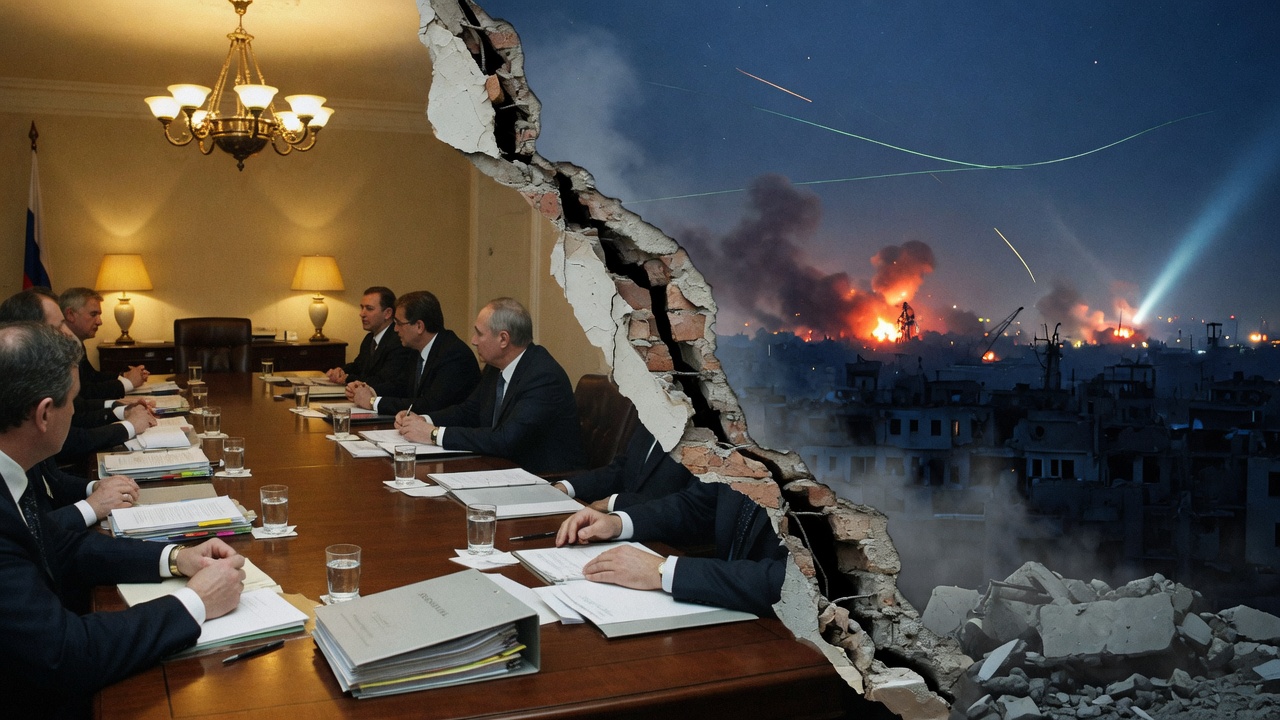
Honesty requires acknowledging what has not gone according to plan. The war has not ended. Russia continues to make advances and shows little intention of halting its offensive — having launched some of its largest strikes since the war began even while negotiations were underway. The 100-day ceasefire target was missed. Putin has repeatedly refused direct talks with Zelenskyy.
The peace framework, while detailed, demands painful territorial concessions from Ukraine in the Donbas region. Zelenskyy has resisted ceding territory — and rightly pushed back — while simultaneously moving closer to the framework, saying he would bring the plan to a referendum if Russia agrees to a ceasefire of at least 60 days.
And there is the uncomfortable reality that the Kremlin has offered its own characterization of certain Trump-Putin conversations — framing that may be accurate, or may be a deliberate Russian information operation. The ambiguity is real. Navigating it requires sustained attention, not premature conclusions.
The American Calculus
“Trump is doing this for America first. That is exactly as it should be. Open-ended commitments without defined outcomes are not strategy — they are liabilities.”DAY Solis — May 2026
Here is what I believe in May 2026 — the same thing I believed in April 2024: Trump is doing this for America first. That is exactly as it should be.
The United States spent over $100 billion in Ukraine aid under the Biden administration. Without a defined endpoint. Without a clear exit strategy. Without an articulated vision of what victory looked like. Trump’s approach — negotiate hard, apply pressure on both sides, extract American leverage from the process, and get to a deal — is the approach of a leader who understands that open-ended commitments without outcomes are not strategy. They are liabilities.
The critical minerals deal is the clearest expression of this logic. America secured a tangible, generational strategic asset in exchange for its continued engagement. That is America First diplomacy in practice — not rhetoric, but results written into the architecture of the peace plan itself.
Is the peace imperfect? Yes. Does it require Ukraine to make painful concessions? Yes. But the alternative — perpetual war, perpetual American funding, perpetual instability in Europe — serves no one, least of all the American people or the people of Ukraine.
The Prediction Holds. The Work Is Not Finished.
I wrote in April 2024 that Trump had the foresight and experience to end this conflict and restore peace. More than two years into his presidency, the war has not ended — but the trajectory has fundamentally changed. A detailed framework exists. Security guarantees for Ukraine are on the table. Both sides have negotiated directly under American mediation for the first time since the war began. Putin has been publicly confronted by a U.S. president willing to threaten real consequences.
That is not everything I hoped for in April 2024. But it is more than anyone achieved in the three years before Trump returned to office.
The prediction holds. The work is not finished.

— DAY Solis, May 2026
If this investigation was useful to you — support independent journalism
☕ Buy me a coffee