

REYES
HOLDINGS
The $40 Billion Empire You’ve Never Heard Of — A Journalistic Investigation Into the Family Behind Your Beer, Your Big Mac, and Your Diet Coke
February 4, 1976. Spartanburg, South Carolina. A cold winter morning, fifty degrees, the kind of day when small Southern towns feel half-asleep. Inside a modest warehouse, a 23-year-old finance graduate from the University of Maryland is signing papers with his father. The acquisition: Dixie Systems, a small Schlitz beer distributorship. The price: $740,000.
On the radio that week, C. W. McCall’s “Convoy” was topping the charts. Walter Matthau was playing in The Sunshine Boys at the local cinema. Gerald Ford was nine months away from losing the White House to Jimmy Carter. And in a warehouse in Spartanburg, two men — J. Christopher Reyes and his father Joseph “Tiger” Reyes — were doing something so ordinary it barely registered as news. They were buying a beer route.
Fifty years later, that beer route has turned into Reyes Holdings: the sixth-largest privately held company in America. Annual revenue exceeding $40 billion. Thirty-six thousand employees across eighteen countries. The largest beer distributor in the United States. McDonald’s biggest global supplier. A major Coca-Cola bottler across the Midwest and West Coast. And in 2026, after closing the acquisition of Republic National Distributing Company’s operations in eleven markets, the third-largest wine and spirits wholesaler in the country.
And yet, ask any American to name the company behind their Friday night Modelo, their Big Mac fries, and their Diet Coke, and you will get a blank stare. The name Reyes belongs to no magazine cover, no documentary, no folklore. The brothers do not give interviews. They do not tweet. They do not posture at Davos. They built one of the largest private fortunes in American history, and they did it in near-total silence.
This is the story of how two brothers built a $40 billion empire — and how they made sure you never noticed.
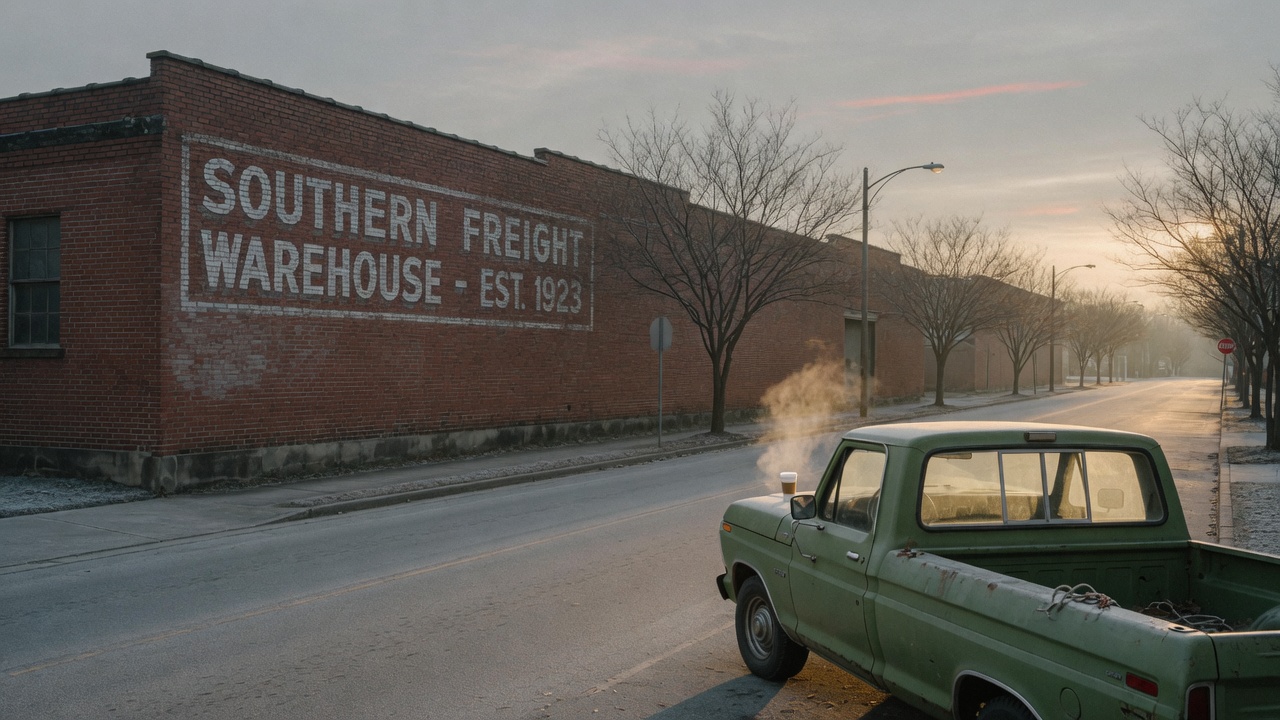
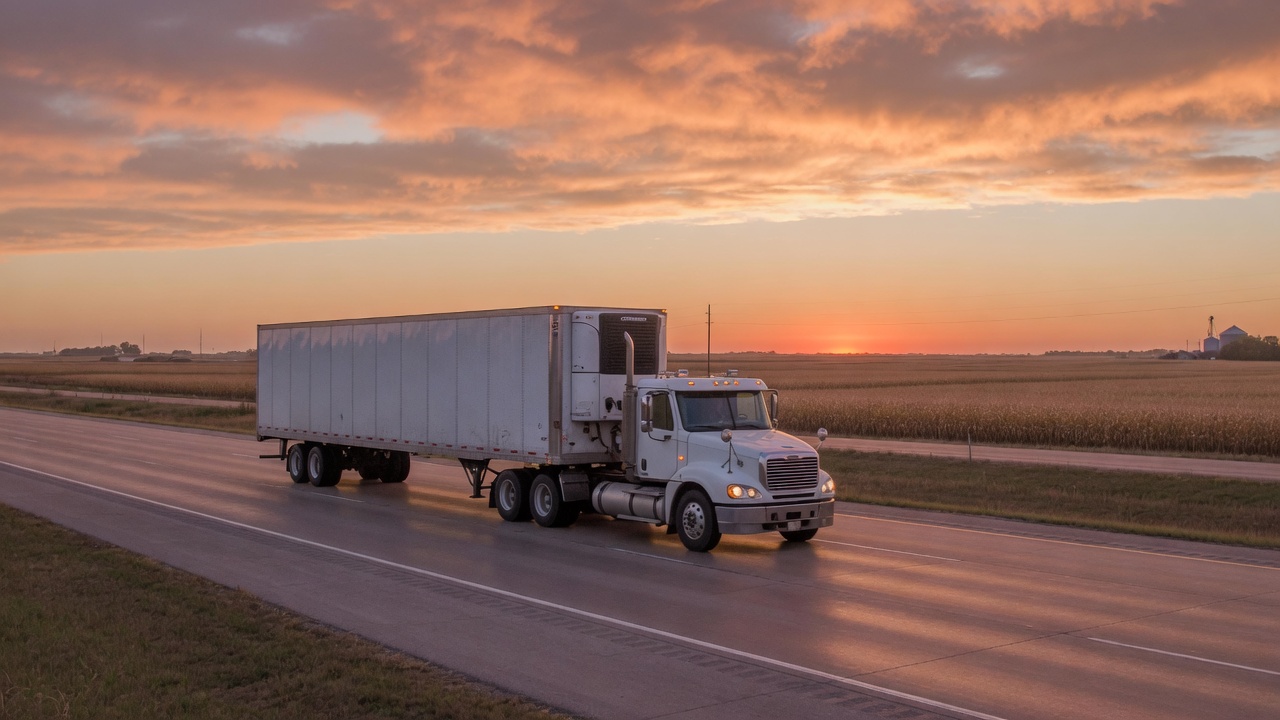
The reader will notice that the illustrations accompanying this piece are not documentary photographs of Reyes Holdings facilities or family members. This is an editorial decision rooted in legal caution.
Why we don’t use stock photography of Reyes properties. Reyes Holdings is a $40 billion private corporation with substantial legal resources. Photographs of named facilities, branded trucks, or family members carry documented risks for independent journalism — copyright assertions, license revocations, and right-of-publicity claims that can disrupt a publication for months.
What we did instead. Every illustration in this piece was generated using artificial intelligence specifically for Empire Architects. Each image is paired with a precise search query pointing to the actual subject — the real warehouse, the real truck fleet, the real headquarters, the real lawsuit. Readers who want documentary photographs can use these queries to locate them through licensed sources such as AP Images, Reuters Connect, Getty Images, the Library of Congress, or company press kits.
Every factual claim in this piece is sourced and verified. The illustrations are atmospheric. The reporting is documentary.
THE FAMILY THAT CHOSE SILENCE
To understand Reyes Holdings you have to understand the Reyes family — because everything about this company is family, and almost nothing about it is public.
Joseph A. Reyes, the patriarch, was the kind of American father history books rarely record. Born in 1925, raised in a different America, he met Frances “Frannie” Marie Collins, married her, and together they had nine children: eight sons and one daughter. Christopher was the eldest, born in 1953. Jude came two years later, in 1955, in Washington, D.C. The household was big, Irish-Catholic on the mother’s side, and — by the standards of any era — industrious.
Joseph was not a beer man by trade. He was something more old-fashioned: a businessman with the instincts of a peddler. In 2005, in a rare interview with Crain’s Chicago Business, he described his philosophy of the distributorship he and his son were about to buy.
That sentence is the philosophical bedrock of everything Reyes Holdings would become. Low-tech, high-profitability. Move when things move. Buy the unglamorous business and run it better than anyone else. There was no Silicon Valley dream attached to this. There was no pitch deck. There was a route, a truck, and a margin.
When Christopher graduated from the University of Maryland in 1975 with a finance degree, the question was not whether he would go into business. The question was which business. The answer arrived a year later, in Spartanburg. Jude, still a junior at a college in Alabama, transferred to Wofford College in Spartanburg — partly to be near the new operation, partly, as his father later said, because “he wanted to be near Chris all the time.”
That bond between the brothers is the second philosophical bedrock. In a country that worships the lone founder, Reyes Holdings is, and always has been, a two-mind business. Decades later, comparing them to legendary Chicago dynasties — the Pritzkers, the Crowns — was not flattery. It was structural recognition.
THE $740,000 BET
Schlitz, in 1976, was a wounded giant. Once the most popular beer in America, the brand was beginning a slow-motion collapse that would make “The Beer That Made Milwaukee Famous” a cautionary tale in MBA classrooms within a decade. To buy a Schlitz distributorship in 1976 was, on its face, a counter-intuitive move.
But the Reyeses were not buying a brand. They were buying a route. They were buying trucks, warehouses, retailer relationships, and exclusive territorial rights protected by America’s peculiar post-Prohibition three-tier system — a regulatory architecture that, by law, separates producer, distributor, and retailer. In that system, a distributor sits on top of a permanent moat. The brand can collapse. The route does not.
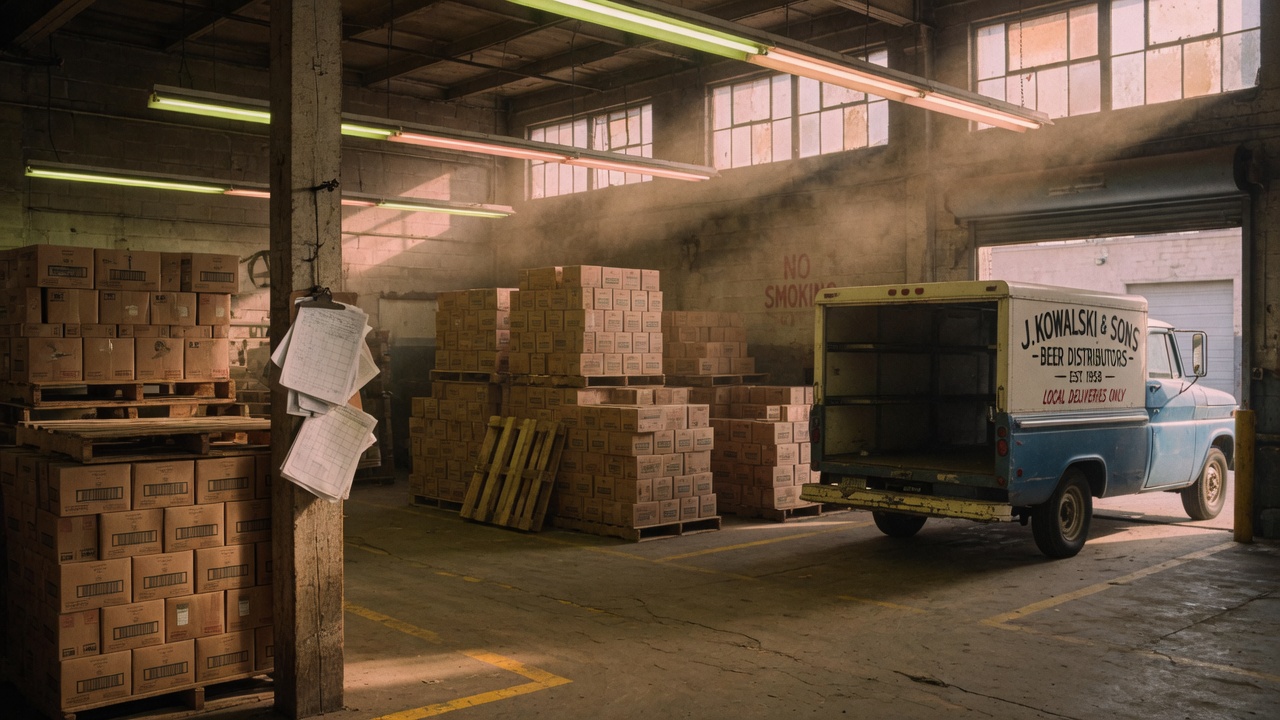
Within twelve months, the brothers added a second outlet in Savannah, Georgia. Three years after that, in 1979, they moved the headquarters to Chicago, purchasing a struggling distributorship there with a tiny share of the market. They turned it into Chicago Beverage Systems — still operating today, and still the oldest unit under the Reyes Beverage Group umbrella.
Chicago was the turning point. Not because it was the largest city, but because it was the right city for a logistics empire. Rail lines, interstate junctions, food-and-beverage gravity, organized labor, a deep talent pool. From Rosemont — a small suburb wedged between O’Hare and the city — the Reyeses would, over the next four decades, run something that looks less like a beer company and more like a private nation-state of trucks and warehouses.
THE ROLL-UP MACHINE
There is a single sentence on Christopher Reyes’s Wikipedia page that explains how Reyes Holdings actually became Reyes Holdings: “Since 1976, Reyes Holdings has acquired more than 130 beer distribution operations.”
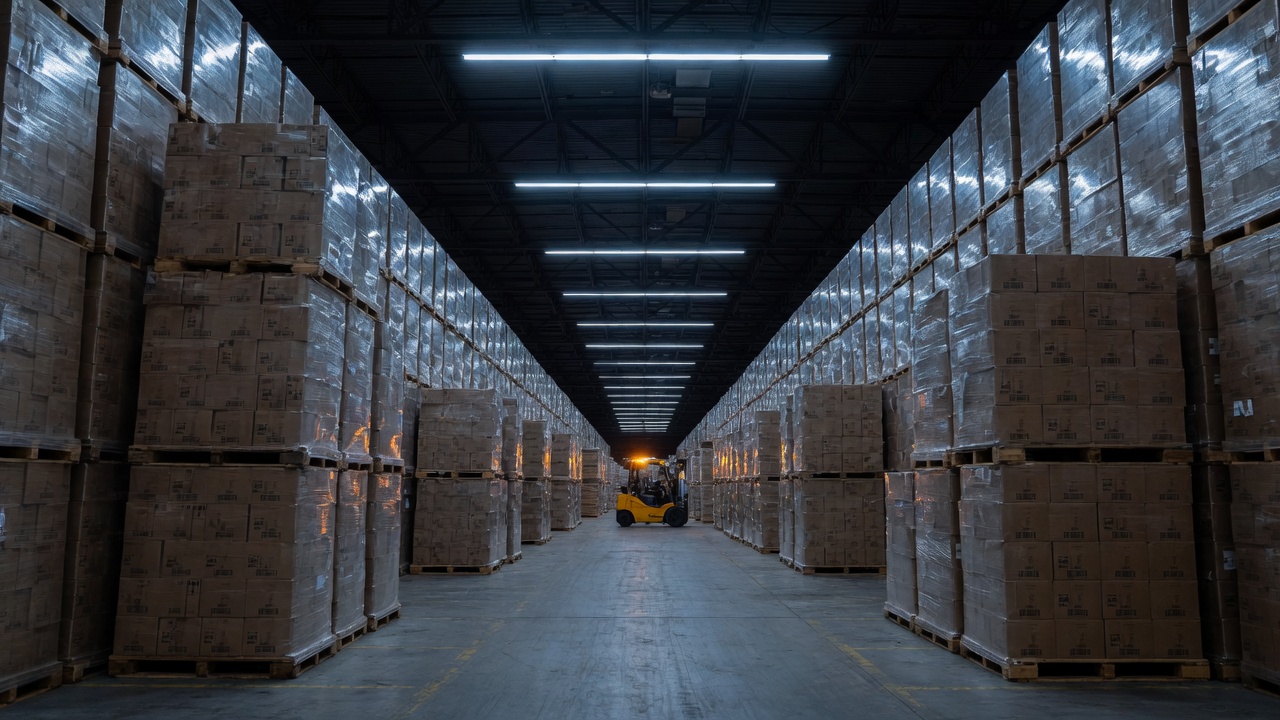
That is not growth. That is a methodology. The roll-up — the patient, decade-by-decade absorption of family-owned distributorships into a single corporate body — is the engine that has driven the company through every market cycle, every shift in consumer taste, every brewery merger. When craft beer exploded in the 2010s, Reyes was there to distribute the crafts. When Modelo and Corona became America’s best-selling beers in 2023, Reyes was there to move them. When Constellation Brands needed national logistics, Reyes was already standing in the warehouse, clipboard in hand.
Within the Reyes Beverage Group umbrella sits a constellation of regional brands that most consumers never see: Chicago Beverage Systems, Premium Distributors of Virginia, Premium Distributors of Washington D.C., Premium Distributors of Maryland, Harbor Distributing (California), Gold Coast Beverage (Florida), Lee Distributors (South Carolina), Greenco (Greenville), Monarch (Indianapolis), Gate City, Crest Beverage, Capitol Wright (Texas), Paradise Beverage (Hawaii), Golden Brands, Florida Distributing Company, High Desert, Allied, Chesbay, Capital Reyes, DET Beverages. The list keeps growing.
Each acquisition followed roughly the same arithmetic: a family business that wanted to cash out, a Reyes check that cleared faster than anyone else’s, and a quiet integration into the central nervous system in Rosemont. By 2015, when Reyes acquired Gold Coast Beverage in Miami, the company quietly became the largest beer distributor in the United States. There was no IPO bell, no champagne photograph. Just one more contract, one more route, one more state on the map.
THE McDONALD’S PIVOT — 1998
In April 1998, the brothers did something that, in hindsight, looks like the smartest move of their lives. They acquired the Martin-Brower Company, a logistics firm with one client and one client only: McDonald’s.
Martin-Brower’s relationship with McDonald’s goes all the way back to Ray Kroc’s first restaurant in Des Plaines, Illinois — a relationship now stretching across more than six decades. By the time Reyes Holdings bought the company, Martin-Brower was already the dedicated supply chain for McDonald’s in the United States. After the acquisition, it became something more: a global infrastructure.
Today, Martin Brower serves approximately 16,000 McDonald’s restaurants worldwide. Every patty, every bun, every bag of frozen fries, every cup of soda syrup in those restaurants moves through a Reyes warehouse before it touches a fryer. The deal transformed Reyes Holdings from a regional beer distributor into a global food and beverage logistics company. It also gave the family something rarer than scale: a quasi-monopolistic relationship with the most powerful fast-food brand in human history.
Christopher Reyes sits on the board of trustees of Ronald McDonald House Charities. That is not philanthropy as performance. That is philanthropy as architecture.
THE COCA-COLA DECADE — 2015–2017
If beer was the foundation and McDonald’s was the breakthrough, Coca-Cola was the consolidation. In October 2015, Reyes Holdings’ Chicago-area Coca-Cola distributor — Great Lakes Coca-Cola Distribution — announced that it would acquire six Coca-Cola production facilities across the Midwest: in Alsip and Niles, Illinois; Detroit and Grand Rapids, Michigan; Eagan, Minnesota; and Milwaukee, Wisconsin.
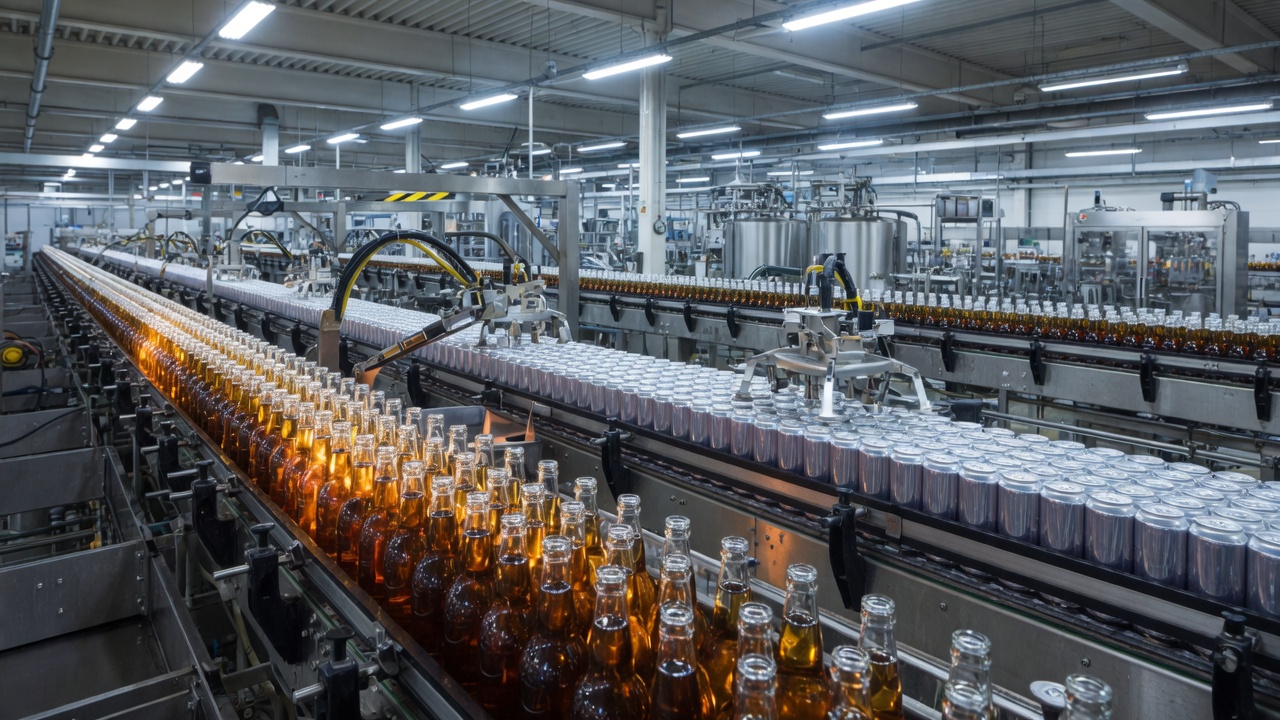
It was part of Coca-Cola’s controversial refranchising initiative — the so-called “21st Century Beverage Partnership Model” — in which Atlanta divested itself of decades of accumulated bottling territory and handed it to a smaller number of larger, better-capitalized partners. Reyes was Coca-Cola’s chosen partner across the Midwest. The transactions closed through 2016 and 2017. When the dust settled, Reyes Coca-Cola Bottling had exclusive sales and distribution rights across Michigan, most of Wisconsin (including Milwaukee), southern Minnesota (including the Twin Cities), portions of Iowa, and chunks of northern Illinois. Later expansions added Tennessee, Kentucky, California, and Nevada.
In January 2025, Reyes Coca-Cola Bottling opened a 205,000-square-foot distribution center in Fresno, California. In Rancho Cucamonga, the company is investing approximately $500 million in a 620,000-square-foot production campus expected to begin operations in mid-2026. These are not the headline-grabbing investments of a tech founder. They are the kind of patient, infrastructural capital expenditures that build empires across generations.
THE DISCIPLINE OF SELLING
There is a lesson in business strategy that almost no one outside private-equity circles learns: the discipline of selling. Most empires die because their founders cannot let go of operations that no longer fit. The Reyeses appear to have understood this from the start.
In July 2019, after twenty years inside the Reyes portfolio, Reinhart Foodservice — a $6 billion-a-year broadline foodservice distributor based in the same Rosemont headquarters — was sold to Performance Food Group in a transaction valued at $2.0 billion. The Federal Trade Commission closed its review in December 2019. The deal closed on or about December 30 of that year.
It was a quiet, surgical divestiture. Reinhart did not fit the increasingly focused thesis: beer, McDonald’s, Coca-Cola, and — by then — spirits and wine. PFG paid roughly 10.6 times 2018 EBITDA. The Reyeses walked away with capital to redeploy and a sharper portfolio.
ANATOMY OF A REYES DISTRIBUTOR — CHANTILLY, VIRGINIA
The empire, seen through a single warehouse
To understand what Reyes Holdings actually is, you do not need a corporate org chart. You need a single distributor. And one of the most instructive is sitting in plain view, 27 miles west of the Capitol, in a warehouse complex along Northridge Drive in Chantilly, Virginia.
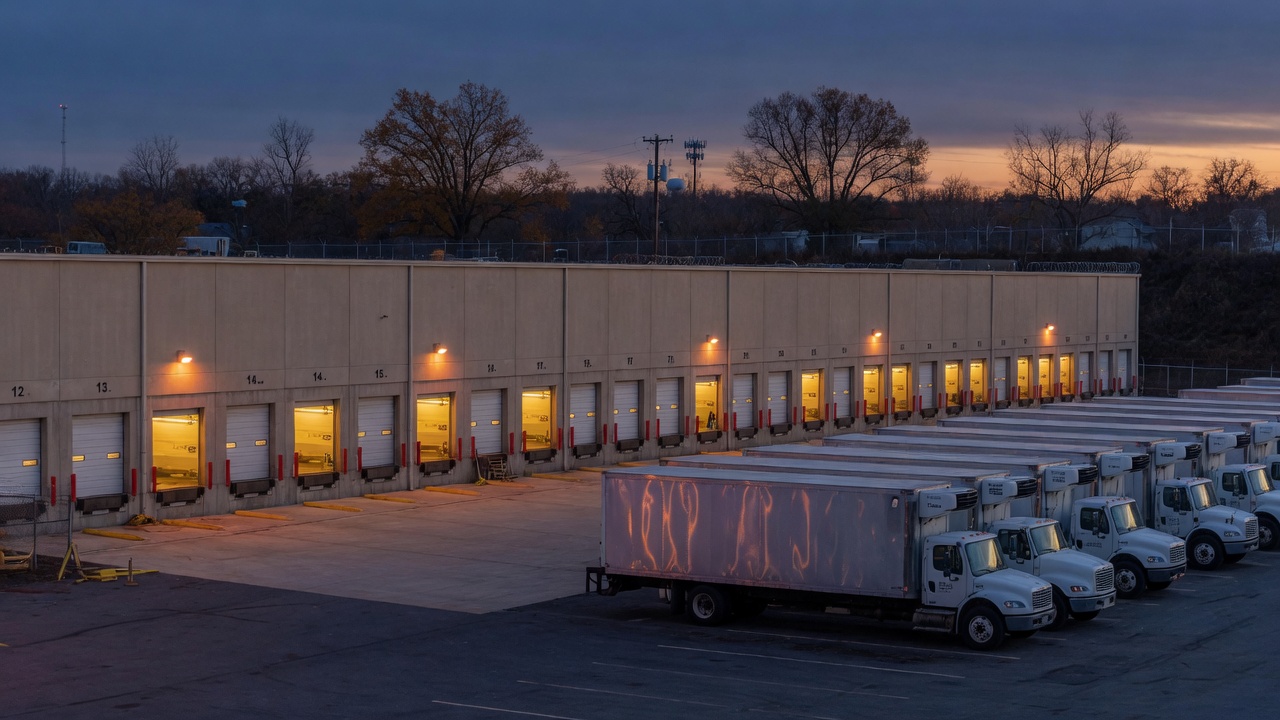
The company is Premium Distributors of Virginia. It joined Reyes Beverage Group in 1988 — making it one of the earliest acquisitions in the now-130-strong roll-up. Its main facility sits at 15001 Northridge Drive, in Fairfax County, with a second operation in Richmond. The two facilities together serve more than 8,000 retail accounts across 26 Virginia counties. They move, by the company’s own published figures, in excess of 17.8 million cases of beer, non-alcoholic beverages, ready-to-drink cocktails, and now spirits annually. The workforce on the Virginia operation alone exceeds 500 people.
On the surface, Premium Distributors of Virginia is a beer warehouse. A consumer walking past the Northridge Drive facility would see refrigerated trucks, loading docks, and the unremarkable hum of a logistics business. But underneath, the operation runs on the same technology stack, the same training systems, the same supplier relationships, and the same labor culture as every other Reyes Beverage Group distributorship from Chicago to Honolulu. This is the Reyes machine in microcosm.
The portfolio carried out of Chantilly is, by industry standards, the deepest in Virginia. Domestic majors. Imports. Crafts. Hard seltzers. Ready-to-drink cocktails. Energy drinks. Non-alcoholic beverages. The company’s recent strategic pivot — toward what Reyes Beverage Group CEO Tom Day calls “total beverage” — means that the same trucks now also carry spirits and select wines. The line between a beer distributor and a beverage-alcohol distributor, at the Reyes scale, has effectively dissolved.
Premium Distributors of Virginia has, year after year, appeared on the Washington Post’s Top Workplaces list for the D.C. metro area. It has been named #1 Best Places to Work in the Metro Richmond area by the Richmond Times-Dispatch. It has collected the Top Workplaces Cultural Excellence Awards for Leadership, Innovation, Compensation & Benefits, and Purpose & Values.
That is not a marketing detail. It is the operational thesis. A beer distributor lives or dies on the loyalty of its sales force and the precision of its delivery drivers. You cannot run a 17.8-million-case operation across 26 counties on a thin culture. The Reyeses learned this early in Chicago in the 1980s. They industrialized it across 130 acquired distributorships. They institutionalized it in Chantilly.
If you visited the Reyes-owned Harbor Distributing in Huntington Beach, California, or Gold Coast Beverage in Miami, or Capitol Wright in Texas, you would find the same architecture. Same warehouse management systems. Same SipMarket data platform that integrates with retailers’ own inventory tools. Same training. Same recruiting funnels. Same compliance regime. Same expectation of being on the local Best Places to Work list.
Chantilly is not special. That is the point. The genius of the Reyes empire is that no individual distributorship is special, because the system itself is. Every node behaves the same way. Every truck rolls on the same software. Every account manager is trained on the same playbook. This is what “scale” means when it is built by a family that has spent fifty years doing one thing very well.
THE SHADOW SIDE
When the roll-up arithmetic meets antitrust law
An honest portrait of Reyes Holdings cannot end at the warehouse. Empires are not built without resistance, and Reyes has accumulated a meaningful body of regulatory, legal, and journalistic scrutiny over the past five years — most of it concentrated in California.
The numbers tell the story. In 2018, the Reyes Beer Division controlled approximately 25% of all beer sold in California. By 2021, according to a formal regulatory complaint filed by the California Family Beer Distributors trade group, that share had climbed to 55%. Independent distributors in the state lost roughly 18 million cases of business to Reyes in 2020 alone. The state, by their reading, had effectively been reduced to a two-distributor market: Anheuser-Busch InBev and Reyes.
In April 2022, Seismic Brewing Company — a craft brewer from Santa Rosa — filed a federal antitrust lawsuit against Reyes Holdings, its California subsidiary Harbor Distributing, and DBI Beverage (which Reyes had acquired in 2019), alleging that the distributor was using its market dominance to impose “sham” contract assignments and “onerous” terms on craft brewers, and retaliating against those who resisted. The case followed a state-level investigation by California Attorney General Rob Bonta‘s antitrust division, which had issued subpoenas examining “potential anticompetitive activity in relation to beer distribution and pricing in California.”
In May 2022, The American Prospect ran a feature titled “Rollups: Monopoly on Tap,” arguing that Reyes had used the country’s permissive merger oversight to cement a control of the California beer market “little seen since Prohibition.” In February of the same year, the U.S. Treasury Department released a comprehensive report on competition in beer, wine, and spirits that singled out Reyes Holdings by name.
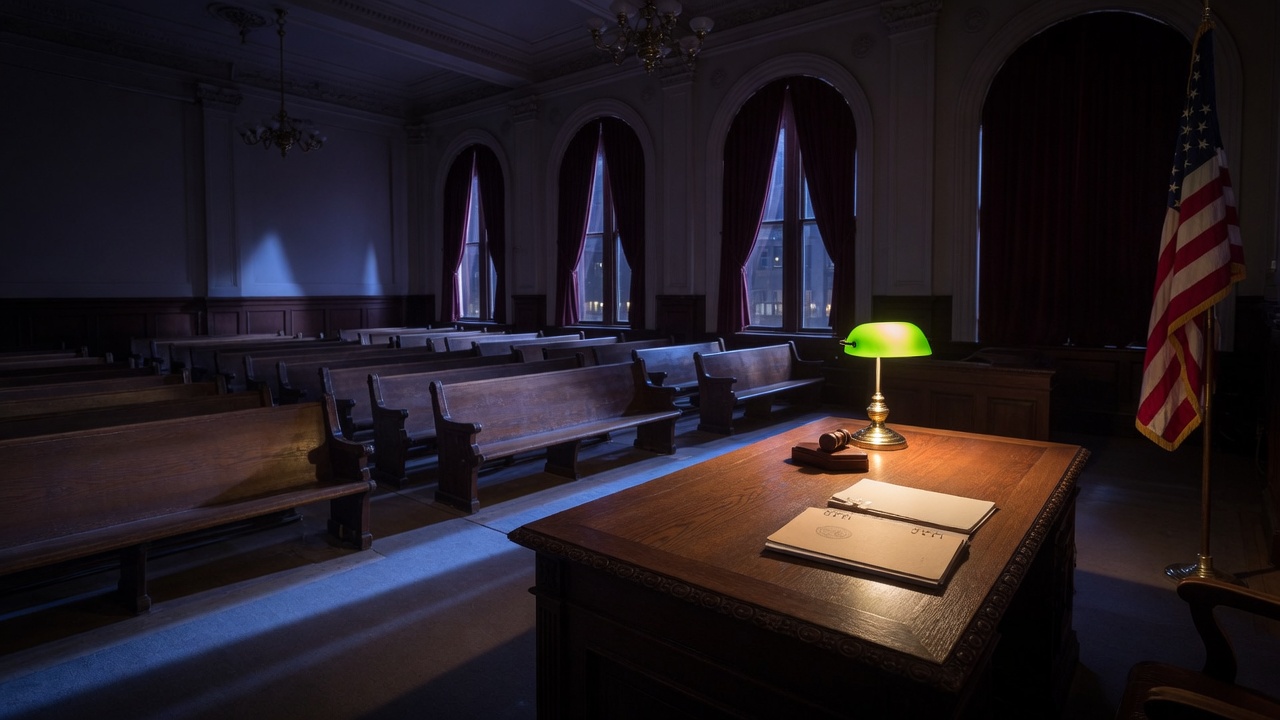
Reyes’s response throughout was consistent. A spokesperson told Brewbound that the company would “vigorously defend” itself against “baseless allegations,” adding that all transactions had passed regulatory review and that brewers had alternative distribution paths. In June 2022, the Seismic lawsuit was “amicably resolved,” with Reyes and Seismic issuing a joint statement saying the parties had decided it was in their “mutual best interests to pursue potential business relationships going forward.” The terms were not disclosed.
These are not isolated incidents. They are the structural cost of the roll-up model. When a single company is allowed to buy 130 distributorships across five decades, it eventually arrives at a place where the next acquisition is not just a business decision but a regulatory event. Reyes has navigated that transition more skillfully than most. But it has not navigated it silently — and it should not be allowed to. The same consolidation logic that built the empire is the one that craft brewers, independent distributors, and antitrust regulators are now pushing back against.
Nothing in the public record suggests that the Reyes brothers have done anything illegal. The American three-tier alcohol system was designed to prevent producer-distributor collusion, not to prevent distributor concentration. The brothers have built within the rules. The question is whether the rules, written in 1933, are still adequate to the empire that has grown inside them.
THE TOTAL-BEVERAGE ERA — 2024–2026
The biggest strategic pivot in fifty years
In the past two years, Reyes Holdings has executed the most significant strategic pivot of its history. After fifty years of being defined by beer, McDonald’s, and Coca-Cola, the company is reinventing itself as something the industry has begun calling a “total beverage” distributor: a single logistics network capable of moving any liquid a consumer might want to drink.
In August 2024, Reyes Beer Division acquired a portion of Cherokee Distributing Company’s business in Tennessee, adding more than 1,000 customers and approximately 1.6 million cases. In 2024 and 2025, the company entered Texas (via Capitol Wright Distributing) and Hawaii (via Paradise Beverage). In April 2025, it secured Tito’s Handmade Vodka distribution in California. In July 2025, an expanded partnership with E. & J. Gallo Winery was announced, taking on Gallo’s commercial spirits portfolio — including New Amsterdam Vodka, California’s third-best-selling vodka brand — plus select wines including La Marca (the state’s top-selling sparkling wine) and Barefoot (its second-best-selling still wine). The deal became effective on September 3, 2025. It was Reyes’s formal entry into wine.
Then came the move that will define the rest of the decade. In January 2026, Reyes Beverage Group announced it was in discussions to acquire Republic National Distributing Company’s operations in six markets. By March 2026, the deal had expanded to eleven: Arizona, Colorado, Florida, Hawaii, Louisiana, Maryland, Oklahoma, South Carolina, Texas, Virginia, and Washington, D.C. The closing was targeted for the end of May 2026, subject to regulatory approval.
RNDC, the second-largest wine and spirits distributor in the country, had been hemorrhaging suppliers and exiting markets. Its abrupt 2025 exit from California — the largest spirits market in the United States — had left thousands of producers scrambling. Reyes stepped into the vacuum. According to Shanken News Daily’s Impact Newsletter, Reyes’s combined wine and spirits revenue could reach $6.9 billion in 2026, placing the company third among all wine and spirits wholesalers in America.
THE ARCHITECTS, TODAY
Christopher Reyes is 73. Jude Reyes is 71. According to Forbes, Christopher’s net worth, as of late 2025, is approximately $13.1 billion. Jude’s is in the same range. The two brothers remain co-chairmen of Reyes Holdings. Christopher lives in Hobe Sound, Florida, with his wife Anne and four children. Jude’s family life is similarly private. Their sister, Julie Reyes Taubman, is married to mall mogul Robert Taubman, linking the family into another quiet American dynasty.
The next generation is already inside the company. Duke Reyes appears on corporate filings. Tom Reyes is now president of Reyes Beverage Group West — the division leading the GALLO partnership in California. The succession looks deliberate and slow, more in the pattern of the Pritzkers or the Crowns than in the messy intergenerational drama that has consumed many American family businesses.
What is striking about the Reyeses is what they have chosen not to do. They have not gone public. They have not put their name on a stadium or a museum wing. They have not run for office. They donate — Christopher gave roughly $9.3 million to Republican causes in 2022 alone, and serves on the boards of Ronald McDonald House Charities and Lurie Children’s Hospital — but they do not perform their wealth. They do not give TED talks. They do not write books.
INVISIBILITY AS STRATEGY
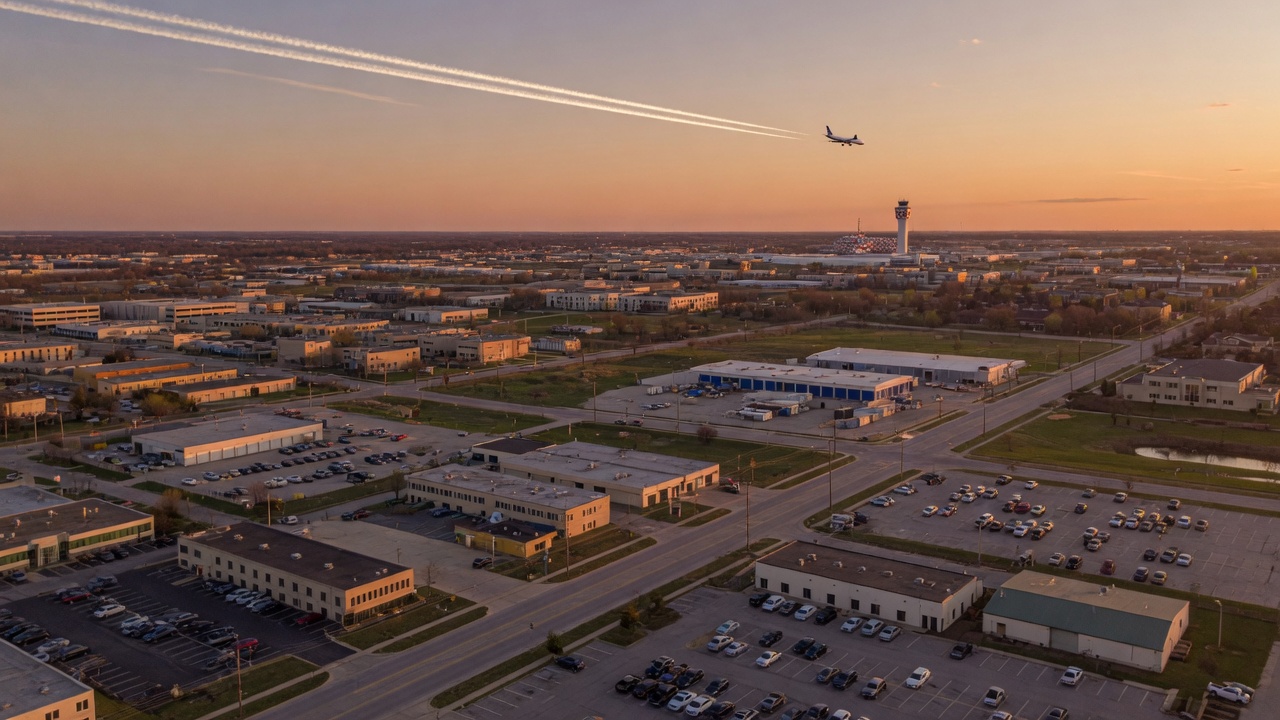
Reyes Holdings is the most important American company that most Americans have never heard of. It is the silent infrastructure behind a Modelo on a Friday night, a McDonald’s drive-thru breakfast on a Tuesday morning, and a Diet Coke on a Saturday afternoon. Invisibility is not an accident of marketing. It is the strategy.
Where other American empires — Apple, Tesla, Meta — are organized around the cult of a single founder, Reyes Holdings is organized around the opposite principle: two brothers who decided, somewhere along the way, that being unknown was an asset. They were right. Fifty years of quiet acquisitions, careful capital allocation, dynastic discipline, and a hard refusal to play the celebrity-CEO game has produced something that almost no public company in America can replicate.
The story of Reyes Holdings is, in the end, a counter-narrative to the dominant myth of American capitalism. There is no garage. There is no genius origin. There is no charismatic founder bestriding magazine covers. There is a family, a roll-up, and a relentless decade-by-decade compounding of one good decision after another — punctuated by occasional, surgical divestitures and a creeping pattern of regulatory friction that the next decade will test.
Why the lone-genius founder myth is wrong — and why almost every great American business, from Apple to Reyes Holdings, was built by a pair of complementary minds. The intellectual foundation of this entire series. ▸ Part I · Part II
For readers who want to verify every claim in this article — or to track the Reyes empire in real time — these are the primary public sources. All free, all open.
Some links below are affiliate links: if you click through and make a purchase, we may earn a small commission at no extra cost to you — it helps keep Empire Architects coming.
-
📖 Daniel Okrent — Last Call: The Rise and Fall of ProhibitionThe definitive history of Prohibition — and the three-tier alcohol distribution system it created. Without Okrent’s book, the Reyes empire is incomprehensible.
-
📖 William Thorndike — The Outsiders: Eight Unconventional CEOsA masterclass in capital allocation by CEOs who, like the Reyeses, bought quietly, sold surgically, and avoided the spotlight. The closest available analog to the Reyes thesis.
-
📖 Ray Kroc — Grinding It Out: The Making of McDonald’sThe Founder’s own memoir. Read it for the origin of the Martin-Brower relationship that, half a century later, became one of the three pillars of Reyes Holdings.
-
📖 Mark Pendergrast — For God, Country, and Coca-ColaThe history of Coca-Cola’s franchise bottling system — the architecture that Reyes Coca-Cola Bottling stepped into in 2015–2017.
-
📖 Steve Hindy & Tom Potter — Beer School: Bottling Success at the Brooklyn BreweryFrom the inside of the three-tier system. The Brooklyn Brewery founders explain what it actually means to deal with a distributor — written before Reyes consolidated the market.
-
🎬 The Founder (2016) — dir. John Lee HancockMichael Keaton as Ray Kroc. The film glosses over the supply chain, but watch it for the moment McDonald’s becomes a corporation — and you’ll understand why Martin-Brower was such a coup for Reyes.
- Forbes — America’s Largest Private Companies, 2024 and 2025
- Crain’s Chicago Business — “Chris Reyes Revealed,” May 2005
- Wikipedia — Reyes Holdings, J. Christopher Reyes, Jude Reyes
- SEC filings — Performance Food Group; Coca-Cola Bottling Co. Consolidated
- Bloomberg Law — “Top Beer Wholesaler Hit With Antitrust Suit by Craft Brewer,” April 2022
- Brewbound — Seismic Brewing v. Reyes coverage, 2022
- The American Prospect — “Rollups: Monopoly on Tap,” May 2022
- The Press Democrat — Sonoma County beer market investigation, October 2021
- U.S. Department of the Treasury — Report on Competition in Alcohol Markets, February 2022 (PDF)
- Shanken News Daily — Tom Day interview, April 2026
- VinePair — Hop Take columns on RBG total-beverage strategy, 2026
- Modern Distribution Management — RNDC acquisition coverage, March 2026
- Premium Distributors of Virginia — official corporate materials & Washington Post Top Workplaces archive
- Reyes Holdings, Reyes Beverage Group — official newsroom and corporate history
- OpenSecrets · Reyes Holdings — political donation records
How America’s Greatest Fortunes Were Actually Built · © 2026 DAY · All rights reserved · daysolis.com
If this investigation was useful to you — support independent journalism
☕ Buy me a coffee